
Decision-Making Responsibility and Child Support for Unmarried Parents in Ontario
By Daniel Owolagba, Associate Lawyer, Berry Family Law
When unmarried or common-law parents separate in Ontario, two of the biggest questions are who will make important decisions for the children and how the cost of raising them will be shared. This is Part 2 of our series on parenting after the end of a relationship. Part 1 covered parenting rights and where the children will live.
Who Gets to Make Important Decisions for the Children?
Separation also raises the question of who will make important decisions concerning the children.
Decision-making responsibility generally covers education, healthcare, religion and culture, and other significant aspects of a child’s upbringing.
Parents may agree that one parent will have sole decision-making responsibility. In this arrangement, that parent has the authority to make the important decisions covered by the agreement or court order. The other parent may still be entitled to receive information or be consulted, depending on the arrangement.
Alternatively, parents may share joint decision-making responsibility. This means they are expected to discuss and agree on important decisions affecting the children rather than making those decisions independently.
Joint decision-making can work well where parents are able to communicate and cooperate despite the breakdown of their relationship. However, where communication has become difficult or conflict is ongoing, it may be challenging to make timely decisions together.
In such circumstances, the court may award sole decision-making responsibility to one parent or allocate different areas of responsibility between them. For example, one parent may have responsibility for educational decisions while the other has responsibility for healthcare decisions.
Ultimately, the appropriate arrangement will depend on the evidence and the children’s best interests.
Understanding Child Support
Another important issue following separation is how the financial responsibilities of raising the children will be shared.
The obligation to support a child does not depend on whether the parents were married. Both parents have a responsibility to contribute towards their children’s financial needs, having regard to their respective circumstances.
For unmarried and common-law parents in Ontario, child support is generally calculated under Ontario’s Child Support Guidelines, which use the same support tables as the Federal Child Support Guidelines. The basic monthly amount is determined primarily by the paying parent’s income, the number of children and the applicable provincial table.
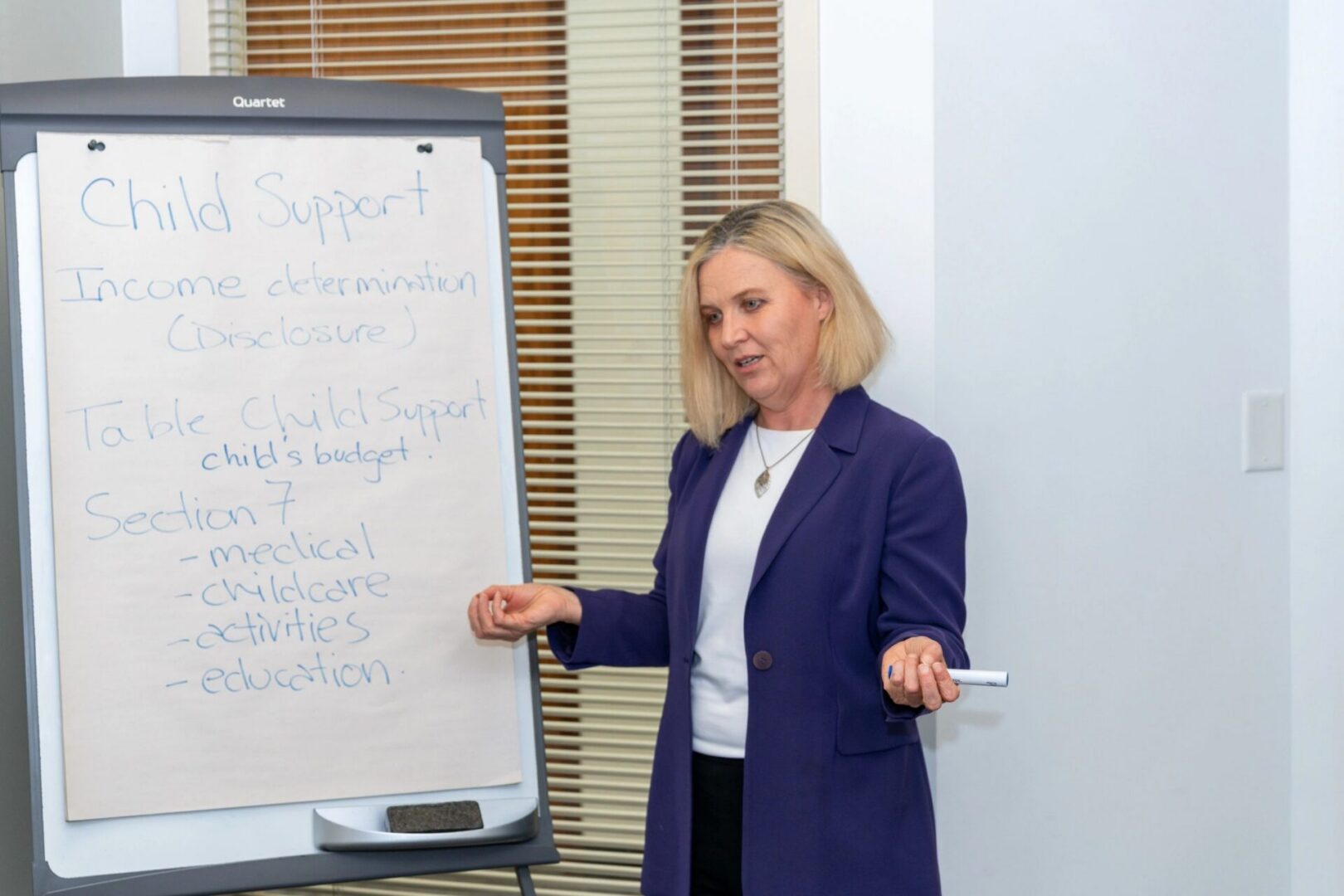
In addition to basic child support, parents may have to contribute towards special or extraordinary expenses, commonly referred to as Section 7 expenses. These may include childcare, medical and dental expenses not covered by insurance, educational expenses and certain extracurricular activities. Such expenses are generally shared in proportion to the parents’ respective incomes, subject to the applicable adjustments under the Guidelines.
Where parents share parenting time for at least 40% of the year, a different calculation applies. This does not automatically mean that neither parent pays child support. Both parents’ incomes and the circumstances of the family must be considered.
It is important that parents exchange their financial information and establish an appropriate support arrangement. Child support is intended for the benefit of the children, not as a financial reward or penalty for either parent.
Next in This Series
In Part 3, we look at what happens when parents cannot agree, how to keep the children’s best interests first, and practical tips for co-parenting.
If you have questions about decision-making responsibility or child support, call Berry Family Law in Oakville at (905) 338-7941 or email info@berryfamilylaw.ca.
This article is general information, not legal advice. Every family’s situation is different.
